Business Name: BeeHive Homes of Lamesa TX
Address: 101 N 27th St, Lamesa, TX 79331
Phone: (806) 452-5883
BeeHive Homes of Lamesa
Beehive Homes of Lamesa TX assisted living care is ideal for those who value their independence but require help with some of the activities of daily living. Residents enjoy 24-hour support, private bedrooms with baths, medication monitoring, home-cooked meals, housekeeping and laundry services, social activities and outings, and daily physical and mental exercise opportunities. Beehive Homes memory care services accommodates the growing number of seniors affected by memory loss and dementia. Beehive Homes offers respite (short-term) care for your loved one should the need arise. Whether help is needed after a surgery or illness, for vacation coverage, or just a break from the routine, respite care provides you peace of mind for any length of stay.
101 N 27th St, Lamesa, TX 79331
Business Hours
Monday thru Sunday: 9:00am to 5:00pm
Facebook: https://www.facebook.com/BeeHiveHomesLamesa
YouTube: https://www.youtube.com/@WelcomeHomeBeeHiveHomes
When households first start pricing senior care, the numbers can feel like a cliff edge. A personal space in a nursing home can encounter six figures each year in numerous regions. Assisted living averages less, but it is still a significant monthly expenditure, and memory care adds another premium for safety and staffing. Meanwhile, the majority of people wish to honor a parent's choices and maintain self-respect, not just discover the most inexpensive alternative. The good news is that costs bend with planning, imagination, and a clear understanding of what care is genuinely needed at each stage.
I have sat at cooking area tables with children and sons who were balancing their own kids' schedules, their tasks, and a pile of pamphlets with glossy photos that didn't answer the genuine questions. With time, I saw that families who approached senior living choices with a triage mindset saved more, preserved relationships, and prevented the stressed, expensive choices that include a health crisis. The goal here is not to cut corners on security or empathy. The goal is to invest carefully, timed to the real need, and to utilize all the financing sources that being in plain view but are often overlooked.
Start with need, not with buildings
Most ads press the package: an apartment or condo, activities calendar, chef-prepared meals. That can be a charming fit, however a structure is not a care strategy. Begin by specifying the specific assistance your parent requires now and what is most likely to alter in the next 6 to 12 months. Be concrete. Dressing and bathing? Medication pointers and refills? Movement assistance? Memory supervision for wandering or sundowning? These information drive cost much more than square footage or a pool out back.
Families often overbuy due to the fact that they fear decrease. I understand the impulse. But spending for a full-time memory care system six months before symptoms merit it drains pipes funds you might need later. Alternatively, underbuying assistance can cause falls, hospitalizations, and a hurried move that costs more. The middle course is frequent re-evaluation. If an elderly parent is safe with tips and light aid, home with a couple of hours of care can bridge for a year or more, which purchases time to save and look into a longer-term solution.
In my experience, the very first real cash saver is matching care levels to the right setting. Assisted living works for those who need help with everyday tasks but do not need day-and-night medical oversight. Memory care is designed for cognitive disability that affects safety. If your loved one is in between these 2, search for assisted living communities with safe and secure floors or little memory assistance programs, which are often less costly than complete memory care units.
Right-size home support before you move
Moving into senior living is not the only lever. Home-based services can reduce the most important concerns at a fraction of the cost if organized attentively. Non-medical home care companies charge by the hour and rates vary by region. The greatest swing element is the minimum hours per shift. If an agency needs a four-hour minimum and you need only 90 minutes of help for a shower and breakfast, you will spend for unused time. Some companies, typically smaller sized local ones, will do two-hour sees. It takes telephone call and respectful perseverance to discover them.
Medication management is a timeless example. If the primary concern is missed out on tablets, you can reduce personal duty hours by automating the task. Locked dispensers with timed alarms cost far less than daily caregiver sees. Drug stores can provide blister packs or bubble packs that make it more difficult to double dosage, and in some locations, a visiting nurse can set these up weekly. Moving a job from individuals to systems is not cold. It saves cash while keeping security, and it schedules paid human help for activities that really need hands-on care.
Respite care is another underused tool. Short-term remain in assisted living or memory care, typically 2 to 6 weeks, provide a household caretaker time to regroup without committing to a long lease. Rates are usually greater per day than a permanent move, but they can be more affordable than working with day-and-night assistance in your home during a crunch. If you need to take a trip for work or recuperate from surgical treatment, a respite stay can prevent burnout and keep your loved one safe.
The quiet power of safeguarding the house
People argue about whether to "age in place." It is not a religious beliefs. It is a set of modifications to the home that purchase time and self-reliance safely. Get bars, raised toilet seats, non-slip mats, and improved lighting spend for themselves rapidly. I am not suggesting a costly remodel. Start with the most hazardous zones: restrooms and stairs. A fall can wipe out a year's senior care spending plan in a week.
One household I dealt with had a father who refused to utilize a walker on his carpeted corridor because it felt cumbersome. We swapped it for a streamlined rollator with much better wheels, cleared two little throw rugs, and added a motion-sensor nightlight course from bed to restroom. That was a $300 repair that prevented a fracture and the cascade of rehab, medical facility co-pays, and possible positioning that follows.
Consider a home safety assessment. Physical therapists and physical therapists who do in-home assessments area dangers you no longer see. Medicare typically covers this if bought by a physician, particularly after a hospitalization or if there is a documented practical decline. If you get this covered, you are paying in co-pays rather than private cash.
Know the cost drivers inside assisted living and memory care
When you tour assisted living or memory care neighborhoods, the base rent is only the foundation. The care strategy, frequently scored by points or levels, drives the month-to-month cost. Level increases happen when your loved one needs more hands-on assistance. Ask how they examine levels, how typically they reassess, and what sets off a modification. Some communities fast to bump levels after a short rehab stay, then slow to decrease them after healing. Integrate in the expectation of re-evaluation with the nurse supervisor throughout the very first month back.
Understand bundling. Some neighborhoods provide an "extensive" rate that covers meals, housekeeping, and a repaired amount of care into one number. Others price care services à la carte. For light-care citizens, à la carte is frequently cheaper. For those with intricate needs, all-encompassing can be a better offer and more predictable. Neither model is naturally moral or immoral. It is math. Insist on the charge schedule in composing and map it to your loved one's real requirements, not their aspirational ones on an excellent day.
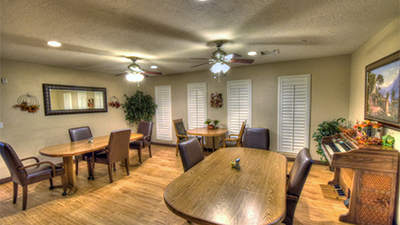

Memory care has included costs that exceed math. Staffing ratios are higher. Security features, programming, and training contribute to the cost. That stated, not all memory care is created equal. Some systems are little and calm, which can minimize agitation and therefore the requirement for pricey individually guidance. Others depend on big common areas that overwhelm particular residents. If behaviors are driving expense, the best environment may decrease those habits and the add-on charges that accompany them.
Timing matters more than we admit
Senior living neighborhoods are businesses with tenancy targets. Rates vary with demand and season. Late spring and early summertime moves tend to be busier in lots of markets, while late fall often sees more versatile prices. If your timeline allows, inquire about present tenancy and any upcoming rewards. Waived community charges, discounted 2nd person charges for couples, or a couple of months of minimized rent can include up.
Short remains at rehab centers can likewise be leveraged. If your parent is recovering after a hospitalization, you may purchase yourself 3 to 6 weeks to plan a move, during which Medicare might be covering the rehab remain if criteria are satisfied. Use that window to tour, compare agreements, and arrange financial resources instead of making a premium-priced emergency situation choice.
Pay only for what preserves safety and dignity
It is easy to fall for amenities because they relieve our own regret. An art studio and wine tastings sound lovely, however they might not matter to your parent. Inquire. Lots of older grownups value routine, business at meals, and a friendly face even more than formal shows. If you select a neighborhood for a robust activity calendar, however your loved one chooses peaceful walks and familiar TV programs, you are spending for something that will not be used. Invest where it counts. That may suggest a smaller sized home with a much better place on the flooring, or a community with an impressive nurse who addresses the phone, instead of a grand lobby.
One child I worked with chose a modest assisted living near her father's barber and church rather than a high-end neighborhood throughout town. He kept his social ties, which decreased anxiety and, unexpectedly, his overall care needs. Content people need less coaxing, fewer pricey escalations, and less immediate calls.
Use advantages that numerous families miss
A surprising number of individuals pay cash for senior care without first mining available benefits. The alphabet soup can be confusing, so tackle it piece by piece.
- Veterans benefits, especially Aid and Participation, can assist qualified veterans and spouses with regular monthly payments for assistance with everyday activities. The application procedure is paperwork-heavy and takes months, so start early. Certified agents, veterans service organizations, or county veterans workplaces can help without charging predatory fees. Long-term care insurance coverage might cover assisted living, memory care, home care, or respite care, however policies vary. Families typically presume a policy will not spend for certain settings and never sue. File anyhow. Ask the insurance provider to specify trigger criteria and accepted companies in writing. Keep day-to-day care logs to corroborate need. Medicaid helps with long-term take care of those with restricted earnings and properties. Even middle-income families may qualify after investing down properties appropriately. Each state runs its own program with its own rules. Some assisted living neighborhoods accept Medicaid after a private pay duration, often 12 to 24 months. If this is your plan, validate the policy in the contract, not simply verbally. Medicare does not spend for custodial care in assisted living or memory care, however it does cover medical care, certain equipment, and time-limited home health or rehab services. Using covered home health for injury care or physical therapy can minimize private-pay hours briefly and support someone after a setback. Tax methods might assist. If your parent is considered chronically ill and has a care strategy from a licensed expert, some assisted living or memory care costs might be deductible as medical costs. Keep receipts and speak with a tax expert to avoid presumptions that sink you later.
Compare agreements with a magnifying glass
Senior living contracts check out like airline company terms. The heading cost is simply the start. Focus on how and when rates can increase. Common annual increases vary from 3 to 8 percent, and sometimes more for care levels. Request historic information from the community: what they in fact raised rates by over the previous 3 years. It will not ensure the future, however it anchors your expectations.
Look closely at deposit terms and refund policies. Some places require a community cost that is nonrefundable. Others will credit it towards the very first month. Month-to-month leases offer flexibility if your parent does not settle in or if a health center stay exposes a mismatch. Longer-term commitments sometimes offer lower rates, but they can trap you if care requirements outgrow the setting. If cognitive decline is progressing, versatility has real value.
Meal plans are another location where money leakages. If your loved one consumes lightly or prefers breakfast in their house, a three-meal strategy may be inefficient. Some communities permit changing to 2 meals or perhaps a per-meal bundle. Ask. Also ask about guest meal policies. If household can join for a modest fee or complimentary on certain days, you can keep connection without constantly taking your parent out to restaurants.
Creative staffing at home without chaos
If your parent stays at home, staffing smartly is part art, part logistics. Agencies provide backup when a caretaker calls out, manage payroll and insurance, and train staff, however they cost more. Directly employing caregivers cuts expenses however increases your admin problem and legal risk. If you go the direct route, utilize a payroll service, get employees' settlement coverage, and examine recommendations like your future depends on it. It might.
For some households, a hybrid works best. Utilize a firm for the most intricate or unpredictable shifts, like nights with sundowning in moderate dementia. Fill in daytime tasks with a relied on caretaker you hire directly at a lower hourly rate. Keep a small bench of dependable fill-ins. Emergency situations occur, and paying a premium for last-minute protection injures less when it is periodic instead of daily.
Communication keeps expenses down by minimizing memory care turnover. Caretakers who feel informed and appreciated stay longer. Reducing the constant replacement cycle saves you onboarding time and errors. A little shared note pad in the cooking area or an easy app where caregivers log meals, hydration, moods, and movement helps spot patterns early, before they become crises.
The hard discussion about driving and wandering
There are a couple of topics that, if prevented, ended up being costly fast. Driving is one. If your parent is borderline safe, a medical professional's examination or a specialized driving evaluation can supply an objective anchor. Removing keys is never ever easy, but the legal and monetary fallout from a mishap overshadows any rideshare expenses. Budget for transport deliberately. Some neighborhoods include arranged rides. Many provide a restricted radius. If your parent has frequent consultations, ask whether the neighborhood charges per trip beyond a certain number and plan accordingly.
Wandering in early amnesia is another expense multiplier. A single cops search can be the wake-up call that leads to full memory care before it is otherwise required. Consider door alarms, GPS shoe insoles, or smartwatch trackers that work for your parent's comfort level. Test them for a week to guarantee charging patterns and notifications fit your family's routines. These tools are not foolproof, however they purchase you time and decrease the risk that forces an immediate, costly move.
When sharing a home pencils out, and when it does n'thtmlplcehlder 88end. Multigenerational living can be a balm for the budget plan and the heart, but it is not free. Individuals frequently neglect to aspect lost earnings, increased utilities, home modifications, and the undetectable cost of caretaker stress. If you are considering moving a parent in, map a day hour by hour. Identify who does what, and what paid assistance you will still need. A half-day adult day program can be a lifesaver here, offering social time for your parent and work time for you. These programs typically cost less than private duty care for the exact same hours and include activities and guidance. Transport might be included. Roommates within senior living can lower costs too. Some assisted living apartment or condos allow shared tenancy at a lower rate. This works well when 2 individuals work and the community has experience matching residents. It is not right for everybody. Personal privacy matters, and required companionship can backfire. Trial gos to and truthful discussions with personnel about personality fit are essential. Respite care as a planning tool, not just a break
I have actually seen respite care used wonderfully as a way to evaluate a community without dedicating. A two-week stay lets you examine how your parent eats, sleeps, and engages. Staff get to know them and can offer candid feedback on whether the setting is a fit. If you decide to relocate permanently, you have real data, not simply a tour impression. If it is not a match, you spared yourself the cost and stress of a full move-in and out. Neighborhoods with respite suites frequently fill them, so book ahead if you can.
Respite care also supports tough shifts. After a surgical treatment, a brief stay in assisted living with medication management and aid with bathing can prevent falls at home. If you understand that a decline is likely but not yet acute, a pre-arranged respite slot provides you an off-ramp you can take quickly when needed, instead of paying leading dollar for emergency coverage.
Watch for early indications that spending needs to shift
Budgets fail when changes sneak up. Develop a practice of brief, considerate check-ins on function. Is bathing becoming a settlement every time? Are medications getting skipped on Tuesdays when the preferred television show airs? Is the mail piling up? These little flags often precede bigger issues. Changing an hour of help or adding a weekly nurse visit can avoid a hospitalization that sets off an expensive move.
In assisted living and memory care, walk the structure at off hours. Nights and weekends demonstrate how a community actually runs. If call bells go unanswered or meals are rushed, you might require to advocate for a care plan modification or consider whether a different neighborhood would manage your loved one's needs better for the very same cash. A well-run building often costs less in the long run due to the fact that problems get handled before they escalate.
What to work out, even if you are not a negotiator
Rates are not sculpted in stone. Smaller sized, privately owned assisted living neighborhoods might have more versatility than large chains, however even huge brand names run promos. Polite, educated questions frequently surface options.
- Ask for the neighborhood charge to be lowered or waived, especially if you can relocate quickly or throughout a slower season. Request a lower care level for the very first month with a scheduled reassessment, if your parent's requirements are borderline and you can supplement with household help. Inquire about a rate lock for a set period, such as the first year, or a cap on the first increase. If you are moving a couple, ask about bundled rates or discounts for the second person fee. For memory care, ask whether behaviors that took place just throughout a health center stay will instantly trigger a higher level, and how rapidly that can be reevaluated.
A simple phrase helps: "What flexibility do you have on these items?" Then remain quiet. Sales directors who are able to help will typically show you the levers.
Plan for decline without spending for it now
A thoughtful budget plan consists of future care tiers without paying today's dollars for tomorrow's requirements. Draw up 3 scenarios: steady with light assistance, moderate help, and higher-level care such as memory care or skilled nursing. Attach realistic month-to-month ranges to each, based on your local market. You do not require to understand the specific community to approximate. Then line up the expected financing: Social Security, pension, retirement withdrawals, long-term care insurance, and possible Medicaid eligibility if assets drop.
Families who sketch this out on paper make calmer choices. When a crisis comes, you already understand that if walking becomes risky, you will shift from home care to assisted living, and you already have 2 neighborhoods that accept Medicaid after a private pay duration. Or you know that if memory declines, you will transition from assisted living to the memory care wing on the 2nd floor, where your parent has actually already participated in a couple of activities during respite check outs. Calm conserves money.
The human side of frugality
Cost-saving in elderly care is not practically line items. It is about preserving energy and spirit. A boy who calls every evening can minimize his mother's anxiety enough that she sleeps and consumes better, which supports health and reduces the requirement for extra check-ins. A neighbor who walks with your father on Tuesdays provides him something to look forward to, that makes him less resistant to bathing on Wednesdays. These are not techniques. They are the glue that keeps paid care from having to fill every gap.
If guilt creeps in when you make a cost-conscious option, test it against 2 questions. Does this option maintain security? Does it appreciate the person your parent has always been? If the answer is yes to both, you are not being inexpensive. You are being an excellent steward of restricted resources, which enables you to care longer and with less resentment.

A short, useful list for families comparing options
- Write out the specific daily tasks that require help today, the frequency, and the risks if left unsupported. Get the complete cost schedule from each assisted living or memory care neighborhood, including care levels, meal strategies, transportation, and future increase policies. Call your county's location agency on aging to reveal local programs, adult day services, and caregiver grants you may not find online. Review benefits: long-lasting care insurance, veterans Help and Attendance, Medicaid paths, and potential medical tax deductions. Pilot modifications for 2 weeks at a time: try a medication dispenser, a minimized meal strategy, or a brief respite stay to measure real-world impact.
The fundamental mindset
Senior care is not one decision. It is a series of changes. Households that do best treat it like a living strategy: observe, fine-tune, utilize respite care when they require a breather, and renegotiate when the scenario modifications. They understand the distinct functions of home care, assisted living, and memory care, and they put each piece when it truly fits instead of as a reflex to fear. They ask for benefits they have actually earned. They cut costs where it does not serve safety or self-respect, and they put those dollars where it does.
If you are starting this journey, give yourself permission to find out. Spend a week logging what help is needed and when. Make two calls a day: one to a home care agency with short minimums, one to an assisted living neighborhood that fits your parent's actual lifestyle, and one to your location firm on aging. By the end of the week, you will know more than you did on Monday, and your strategy will start to take shape. The budget plan will still be real, but it will feel less like a cliff and more like a path, one careful, compassionate action at a time.
BeeHive Homes of Lamesa TX provides assisted living care
BeeHive Homes of Lamesa TX provides memory care services
BeeHive Homes of Lamesa TX provides respite care services
BeeHive Homes of Lamesa TX supports assistance with bathing and grooming
BeeHive Homes of Lamesa TX offers private bedrooms with private bathrooms
BeeHive Homes of Lamesa TX provides medication monitoring and documentation
BeeHive Homes of Lamesa TX serves dietitian-approved meals
BeeHive Homes of Lamesa TX provides housekeeping services
BeeHive Homes of Lamesa TX provides laundry services
BeeHive Homes of Lamesa TX offers community dining and social engagement activities
BeeHive Homes of Lamesa TX features life enrichment activities
BeeHive Homes of Lamesa TX supports personal care assistance during meals and daily routines
BeeHive Homes of Lamesa TX promotes frequent physical and mental exercise opportunities
BeeHive Homes of Lamesa TX provides a home-like residential environment
BeeHive Homes of Lamesa TX creates customized care plans as residents’ needs change
BeeHive Homes of Lamesa TX assesses individual resident care needs
BeeHive Homes of Lamesa TX accepts private pay and long-term care insurance
BeeHive Homes of Lamesa TX assists qualified veterans with Aid and Attendance benefits
BeeHive Homes of Lamesa TX encourages meaningful resident-to-staff relationships
BeeHive Homes of Lamesa TX delivers compassionate, attentive senior care focused on dignity and comfort
BeeHive Homes of Lamesa TX has a phone number of (806) 452-5883
BeeHive Homes of Lamesa TX has an address of 101 N 27th St, Lamesa, TX 79331
BeeHive Homes of Lamesa TX has a website https://beehivehomes.com/locations/lamesa/
BeeHive Homes of Lamesa TX has Google Maps listing https://maps.app.goo.gl/ta6AThYBMuuujtqr7
BeeHive Homes of Lamesa TX has Facebook page https://www.facebook.com/BeeHiveHomesLamesa
BeeHive Homes of Lamesa has an YouTube page https://www.youtube.com/@WelcomeHomeBeeHiveHomes
BeeHive Homes of Lamesa TX won Top Assisted Living Homes 2025
BeeHive Homes of Lamesa TX earned Best Customer Service Award 2024
BeeHive Homes of Lamesa TX placed 1st for Senior Living Communities 2025
People Also Ask about BeeHive Homes of Lamesa TX
What is BeeHive Homes of Lamesa Living monthly room rate?
The rate depends on the level of care that is needed. We do an initial evaluation for each potential resident to determine the level of care needed. The monthly rate is based on this evaluation. There are no hidden costs or fees
Can residents stay in BeeHive Homes until the end of their life?
Usually yes. There are exceptions, such as when there are safety issues with the resident, or they need 24 hour skilled nursing services
Do we have a nurse on staff?
No, but each BeeHive Home has a consulting Nurse available 24 – 7. if nursing services are needed, a doctor can order home health to come into the home
What are BeeHive Homes’ visiting hours?
Visiting hours are adjusted to accommodate the families and the resident’s needs… just not too early or too late
Do we have couple’s rooms available?
Yes, each home has rooms designed to accommodate couples. Please ask about the availability of these rooms
Where is BeeHive Homes of Lamesa TX located?
BeeHive Homes of Lamesa is conveniently located at 101 N 27th St, Lamesa, TX 79331. You can easily find directions on Google Maps or call at (806) 452-5883 Monday through Sunday 9:00am to 5:00pm
How can I contact BeeHive Homes of Lamesa TX?
You can contact BeeHive Homes of Lamesa by phone at: (806) 452-5883, visit their website at https://beehivehomes.com/locations/lamesa/, or connect on social media via Facebook or YouTube
Forrest Park offers shaded areas and walking paths suitable for assisted living and elderly care residents enjoying gentle respite care outings.